The Research Desk
The Research Desk reads the primary studies behind each guide, records which species and model every study used, and matches every citation to its PubMed record. It writes for dog owners, not for labs.

How Can You Tell If a Peptide for Your Dog Is Pure?
A peptide for your dog is pure when an outside lab has tested the exact lot in your vial. Here is how to read the certificate that shows it.

How Do You Choose a Peptide Supplier for Your Dog?
Choose a peptide supplier for your dog with seven checks, from outside lab testing on every batch to a certificate that matches the lot on your vial.
How Do You Talk to Your Vet About Peptides for Your Dog?
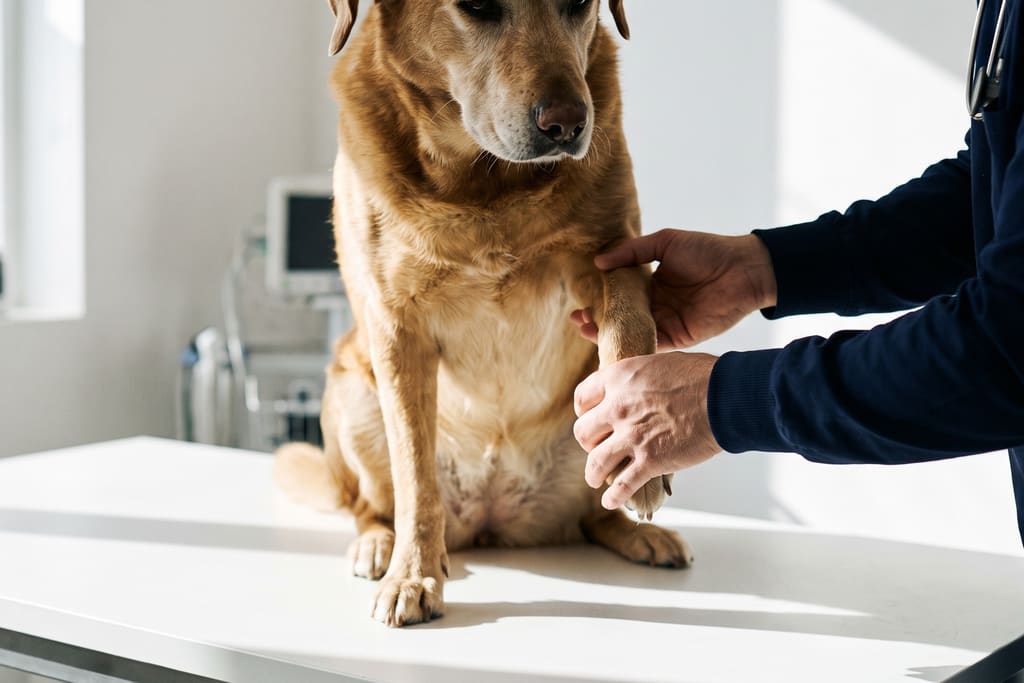
Bring the product name, the certificate of analysis for your dog's lot and the studies you read. Then ask these questions, and listen for these answers.

What Are Peptides for Dogs?
A peptide is a short chain of amino acids the body uses as a signal. See what BPC-157, TB-500, GHK-Cu and KPV were studied for, and in which species.

What Do the Studies Show About BPC-157 for Dogs?
BPC-157 is a gastric peptide fragment studied in rat tendon, ligament and muscle models. Two papers include dogs, and both measured tolerance and clearance.

What Does the GHK-Cu Research Cover for a Dog's Skin and Coat?
GHK-Cu is a copper-binding tripeptide studied in rat wound models, cell work and one English Pointer pad study. Here is what that covers for a dog's coat.

What Is KPV, and Why Is It in Dog Peptide Blends?
KPV is Lys-Pro-Val, the last three amino acids of alpha-MSH. Here is what skin cell, mouse and gut-lining studies measured, and what is still open for dogs.
What Is TB-500, and What Has Been Studied for Dogs?
TB-500 is a synthetic fragment related to thymosin beta-4, studied in cell migration, wound repair and rat tendon models. We found no dog study of it in PubMed.

What Should Large-Breed Dog Owners Know About Peptides?
The peptide studies behind BPC-157, TB-500 and GHK-Cu used rats and cell cultures, not Labradors or Rottweilers. Here is how to plan with your vet.

What Should Senior Dog Owners Know About Peptide Research?
No peptide study cited here followed a senior dog. See what veterinary aging research shows about muscle, joints, skin and coat, and how to plan with your vet.


